
Before you choose a floor plan, square footage number, exterior style, or builder, you need a plan that starts with the way your family actually lives.I am Jim Patrick, residential designer and author of Designing Your Dream Home. Since 1977, I have helped families think through the decisions that shape better homes, smarter budgets, and fewer costly surprises during construction.Design a Home That Fits Your Family, Budget, Lifestyle, and Future


Since 1977
Decades of home design and planning experience.Nearly 1,000 Designs
Custom homes designed for families across the MidwestDesign + Materials

Experience
Hands-on knowledge of what works and lastsPractical Guidance
Straightforward advice to help you plan with clarity

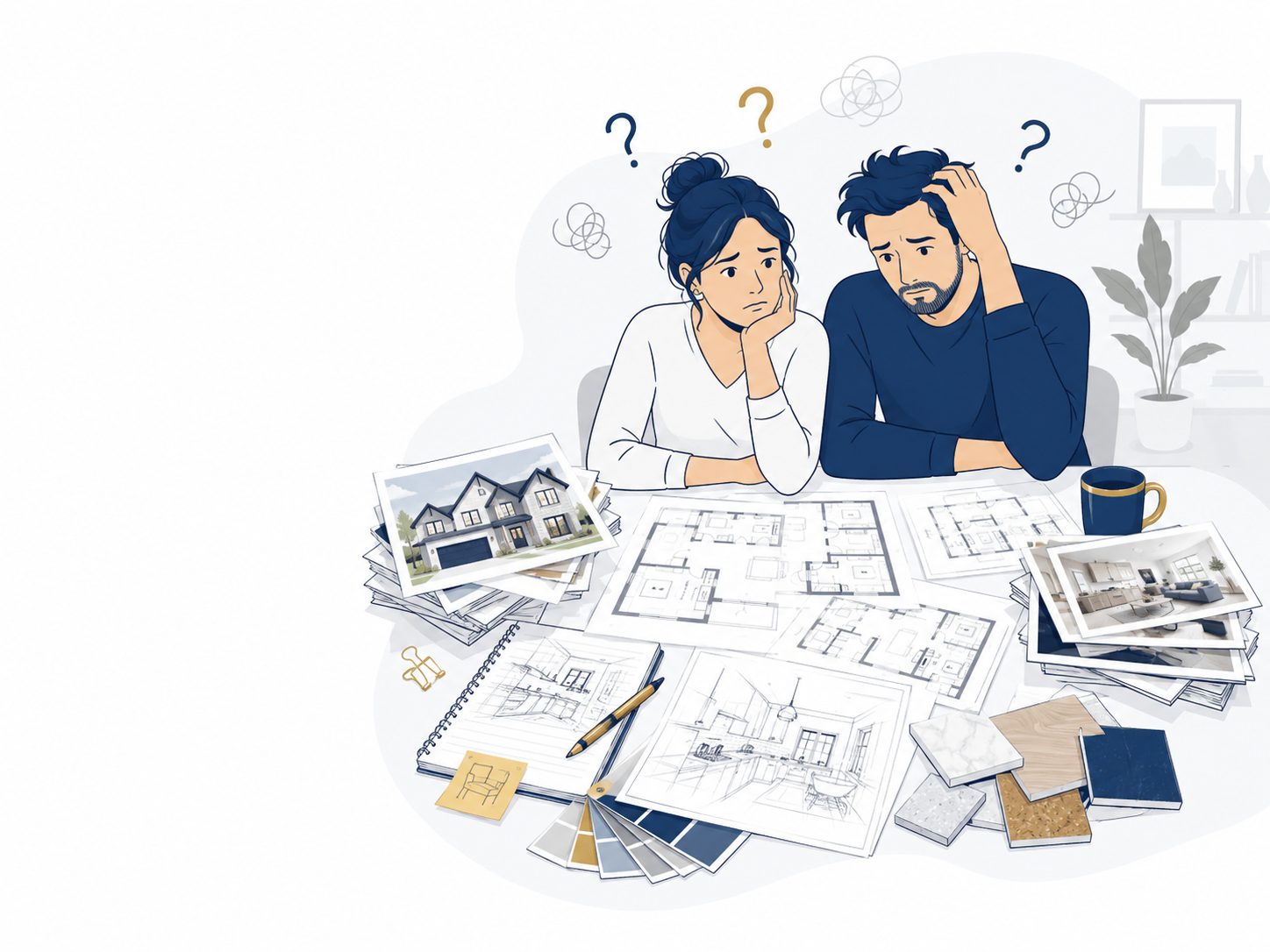
Many homeowners begin by collecting photos, comparing online plans, or choosing a square footage target. Those steps can be useful, but they rarely answer the most important question: will this home actually fit the way your family lives?The most expensive problems are often created early, before the first shovel enters the ground. A room that is too large, a garage that is too small, a lot that does not fit the plan, or a layout that ignores daily routines can affect comfort, budget, resale value, and long-term satisfaction.That is why this site starts with better planning.Most Home Design Mistakes Start Before Construction Begins
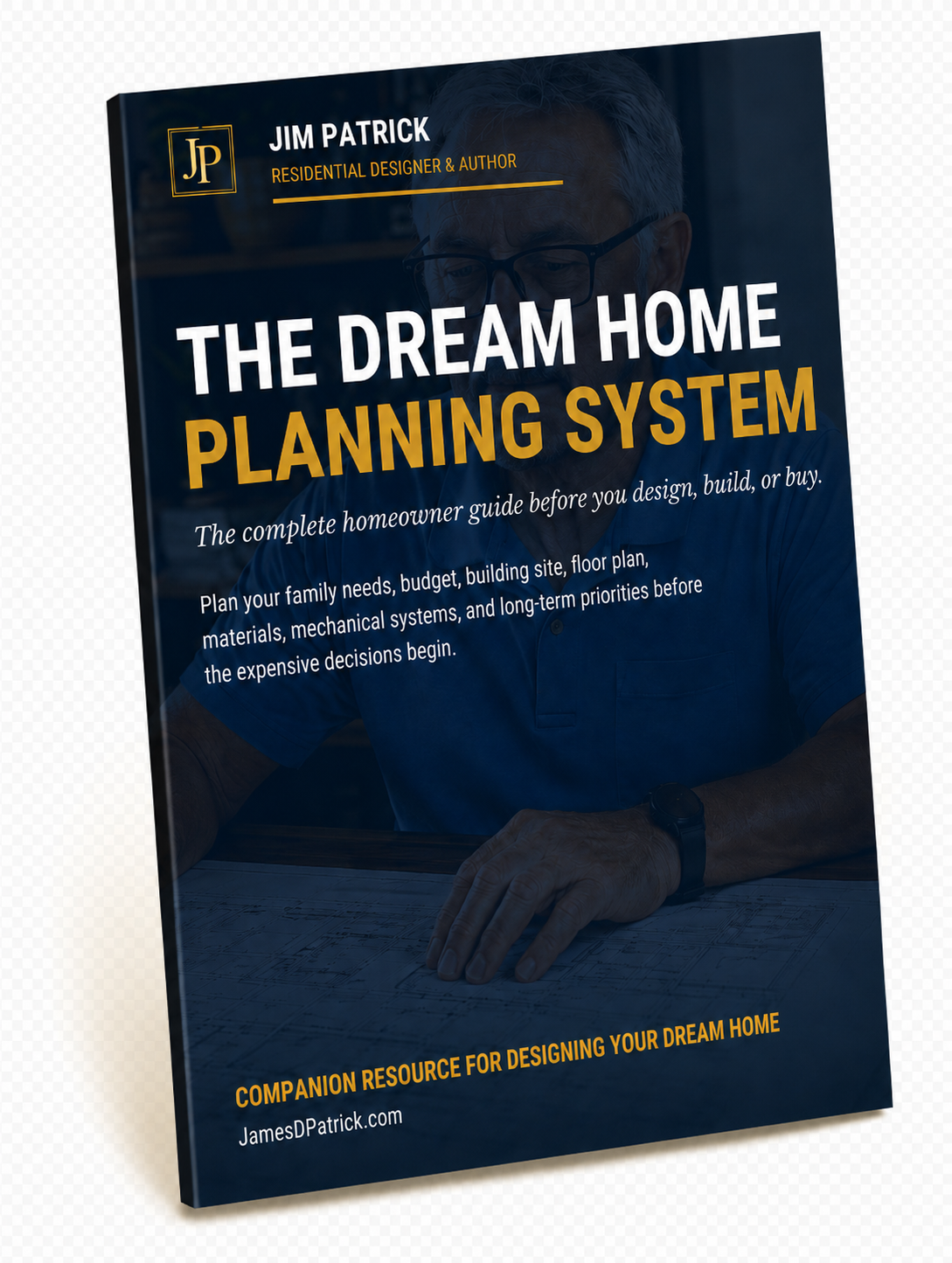
The 24-page Dream Home Planning Checklist helps you slow down the right way before the design process moves too far ahead. It walks you through family needs, lifestyle priorities, budget questions, building site considerations, floor plan decisions, storage, garage needs, mechanical systems, and long-term planning.Use it before you meet with a designer, builder, lender, contractor, or real estate professional. A better home does not begin with a drawing. It begins with better questions.Start With the Free Dream Home Planning Checklist

The Jim Patrick Planning Framework
Planning with Confidence
Clarify how your family lives, what spaces matter, and what decisions need to happen before design work gets too far ahead.Understand how size, complexity, site conditions, materials, and future changes affect the real cost of a home.Budget Wisely


Design for Real Life
Think through daily routines, storage, accessibility, family changes, work, hobbies, entertaining, and privacy.Build Quality
Learn how materials, systems, structure, insulation, windows, and mechanical planning affect comfort and durability.
Think Long Term
Plan for resale, retirement, maintenance, future technology, and the way your needs may change over time.

Where are You in the Home Process?
Just Starting
Begin with the free checklist and the article on the biggest mistake most homeowners make.Choosing a Lot
Review site planning, walkout potential, orientation, utilities, and design fit.
Working on Budget
Explore articles about home size, cost drivers, and decisions that create expensive surprises.

Planning for the Future
Think through retirement, accessibility, resale, flexible spaces, and long-term livability.Practical Guidance From Decades of Real Home Design Experience
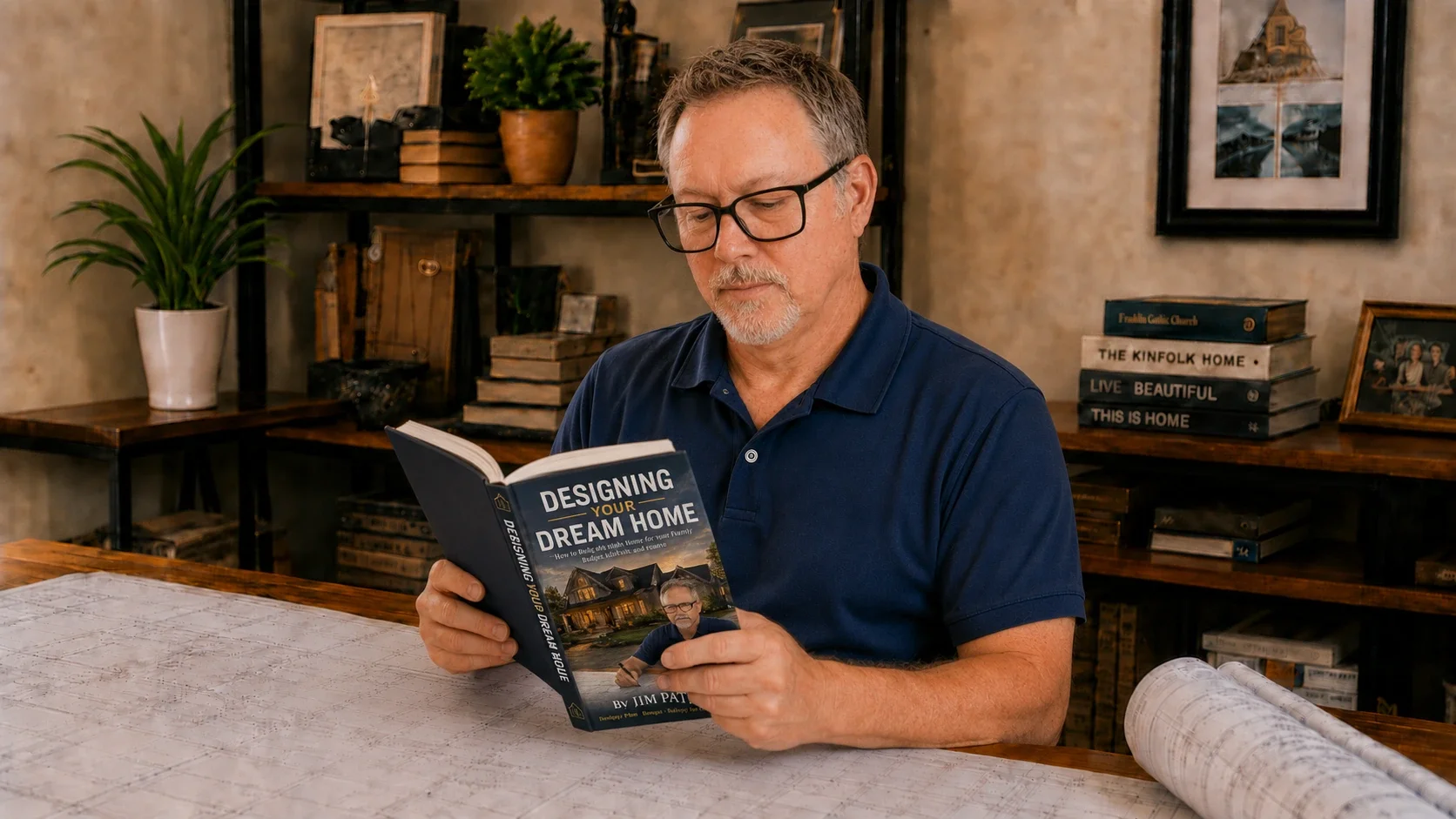
I have spent my career helping families turn questions, sketches, ideas, budgets, materials, and building-site realities into homes that work in the real world. My perspective comes from more than drawing plans. It comes from seeing homes built, watching decisions play out during construction, and learning what families wish they had understood earlier.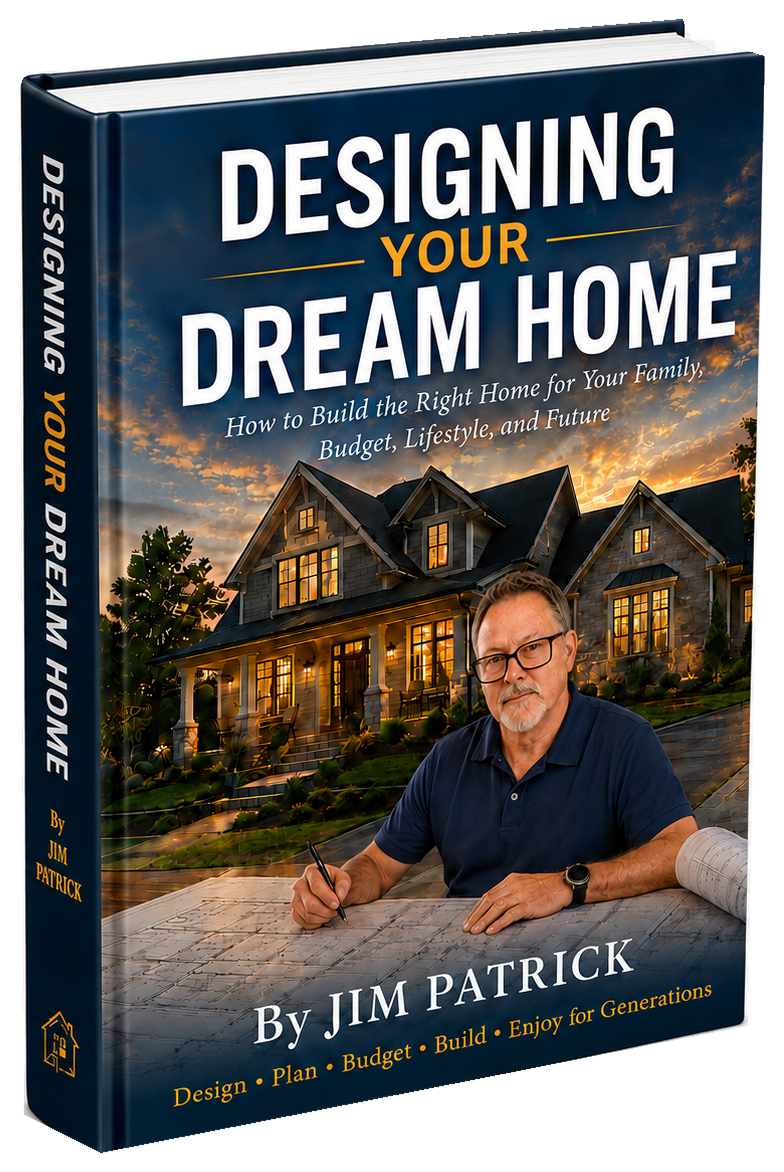
The Home Planning System
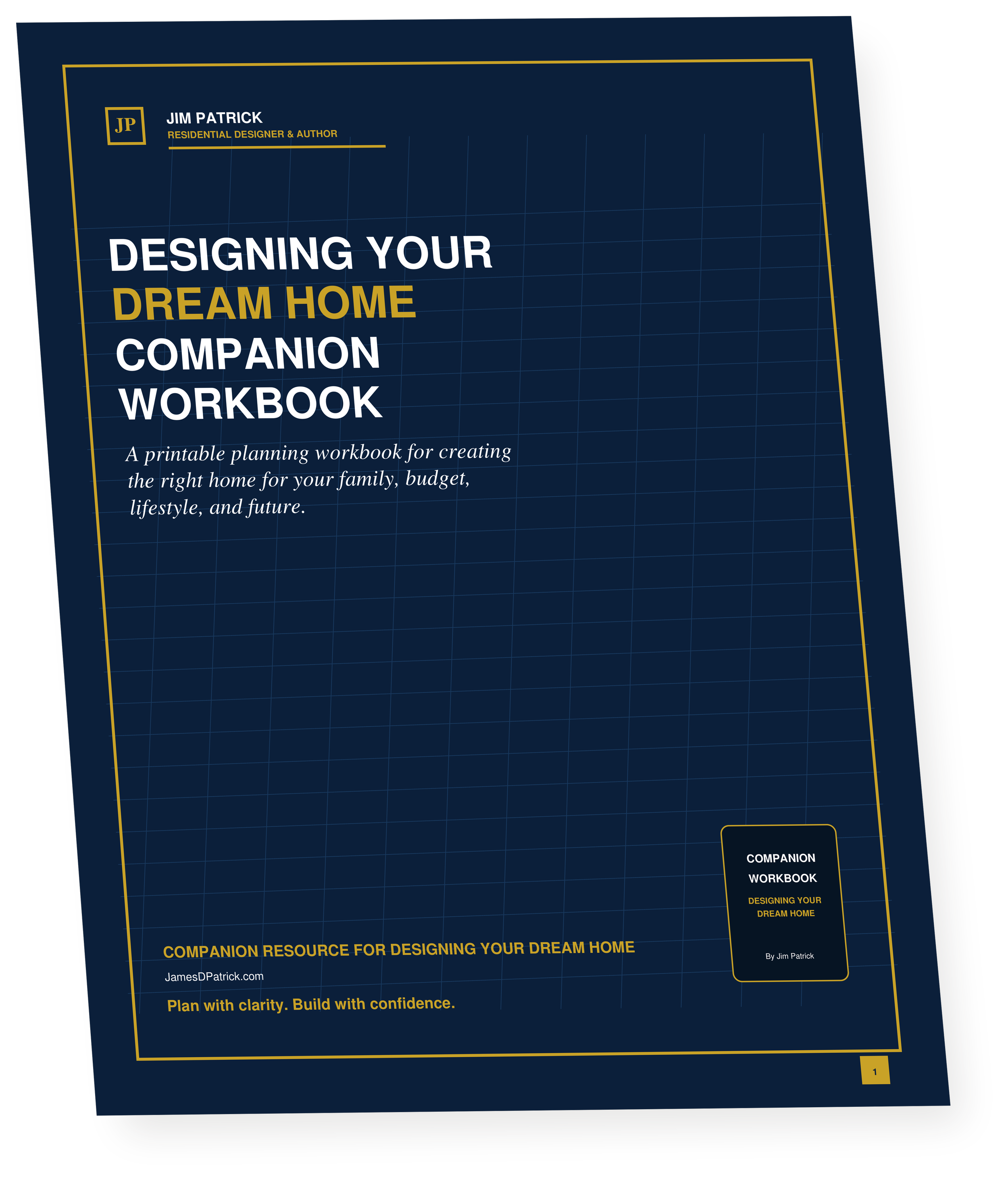
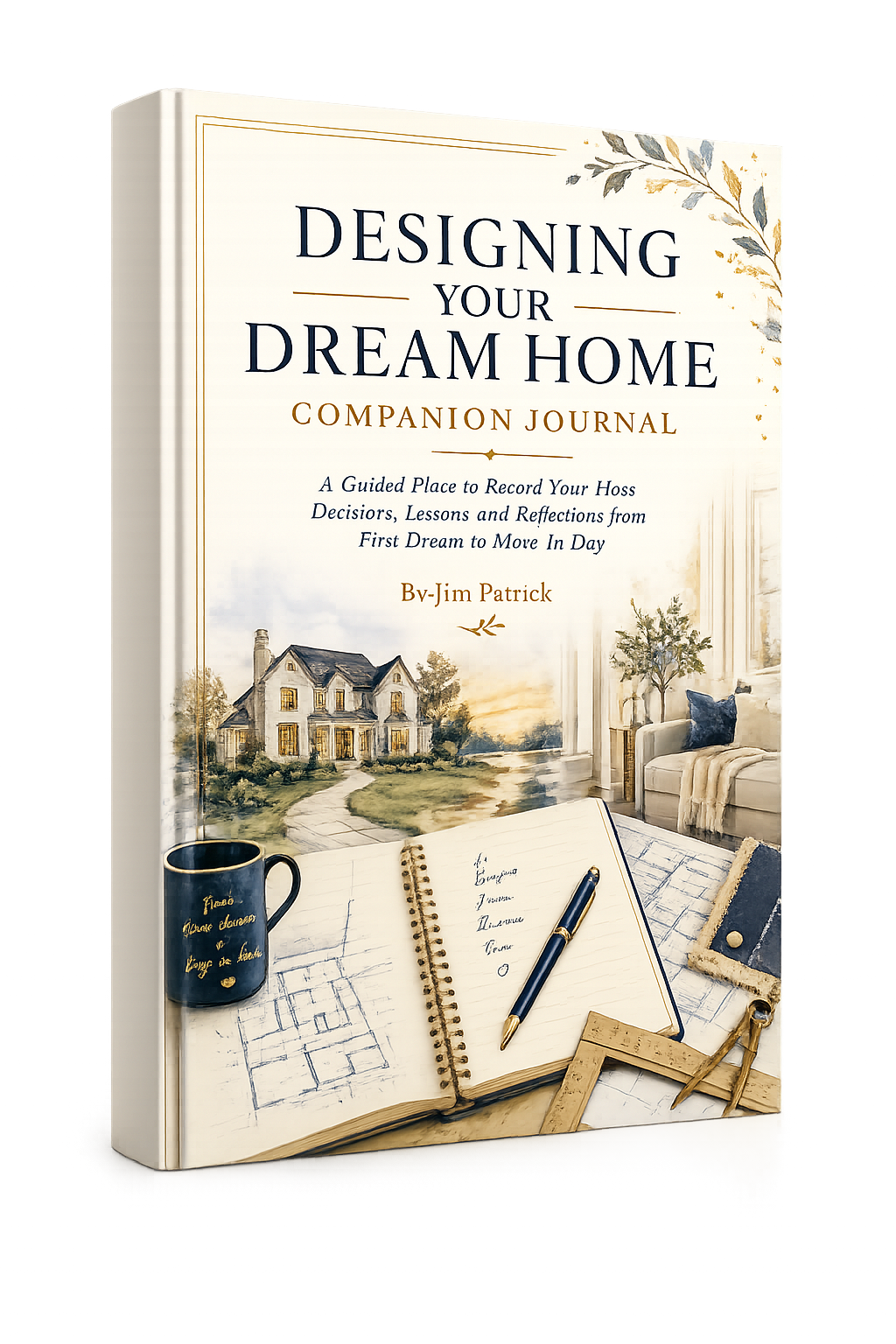
A complete system to help you plan, design, and build your home with confidence.Frequently Asked Questions
-
Start with how your family lives, not with square footage or exterior style. Clarify daily routines, budget limits, site conditions, storage needs, future plans, and the spaces that matter most.
-
The right size depends on function, layout, storage, family needs, future changes, and budget. A smaller well-planned home can often live better than a larger home with wasted space.
-
Stock plans can provide ideas, but they must be reviewed for your lot, budget, local code, structure, climate, and lifestyle. Do not assume a plan that looks good online will build well for your situation.
-
Budget surprises often come from site conditions, plan complexity, structural changes, material choices, mechanical systems, unfinished decisions, and changes made after construction begins.
-
It helps you organize the questions most homeowners should answer before design or construction decisions become expensive.